Can window blinds help keep rooms cooler in summer?
Yes, window blinds can make a noticeable difference in keeping a room cooler during summer. The right blinds reduce the amount of solar heat that enters through windows, which is one of the main reasons rooms heat up. This effect depends on the type of blind, the fabric, and how it is fitted. For anyone living with south facing windows, glass doors, or a conservatory, choosing the right blind can be as important for comfort as it is for privacy.
How heat enters through windows
Sunlight carries energy in the form of short-wave radiation. When it strikes a window, much of that energy passes through the glass. Inside the room, the radiation hits furniture, floors, and walls, which absorb it and re-emit it as long-wave heat. That heat then stays trapped because glass is less transparent to long-wave radiation. This is the same basic mechanism that makes a car hot on a sunny day. The more direct sun exposure a room gets, the faster the air temperature rises. Controlling that initial entry of radiation is the key to keeping a room cooler.
How blinds work against solar heat
Blinds act as a physical barrier between the glass and the room. A blind intercepts the sunlight before it can reach the interior surfaces. Some of that solar energy is reflected back out through the glass, and some is absorbed by the blind material itself. A well-chosen blind can block a significant proportion of the incoming radiation, reducing the heat that builds up inside. The effectiveness depends on the colour, the fabric, and whether the blind has a reflective backing or a thermal lining.
Reflective fabrics and thermal linings
Blinds with a reflective fabric on the side facing the window bounce sunlight away before it turns into heat. This is sometimes called a solar reflective coating. The backing is usually a metallic or light-coloured layer that does not absorb much energy. On the room side, the same blind can be a neutral colour so it does not look technical. Thermal lining adds an extra layer that slows the transfer of heat from the blind material into the room air. Together, these features make what are often called thermal blinds. They do not stop heat entirely, but they reduce the rate at which a room warms up, which can make the space feel noticeably more comfortable on a hot afternoon.
Position and fit matter
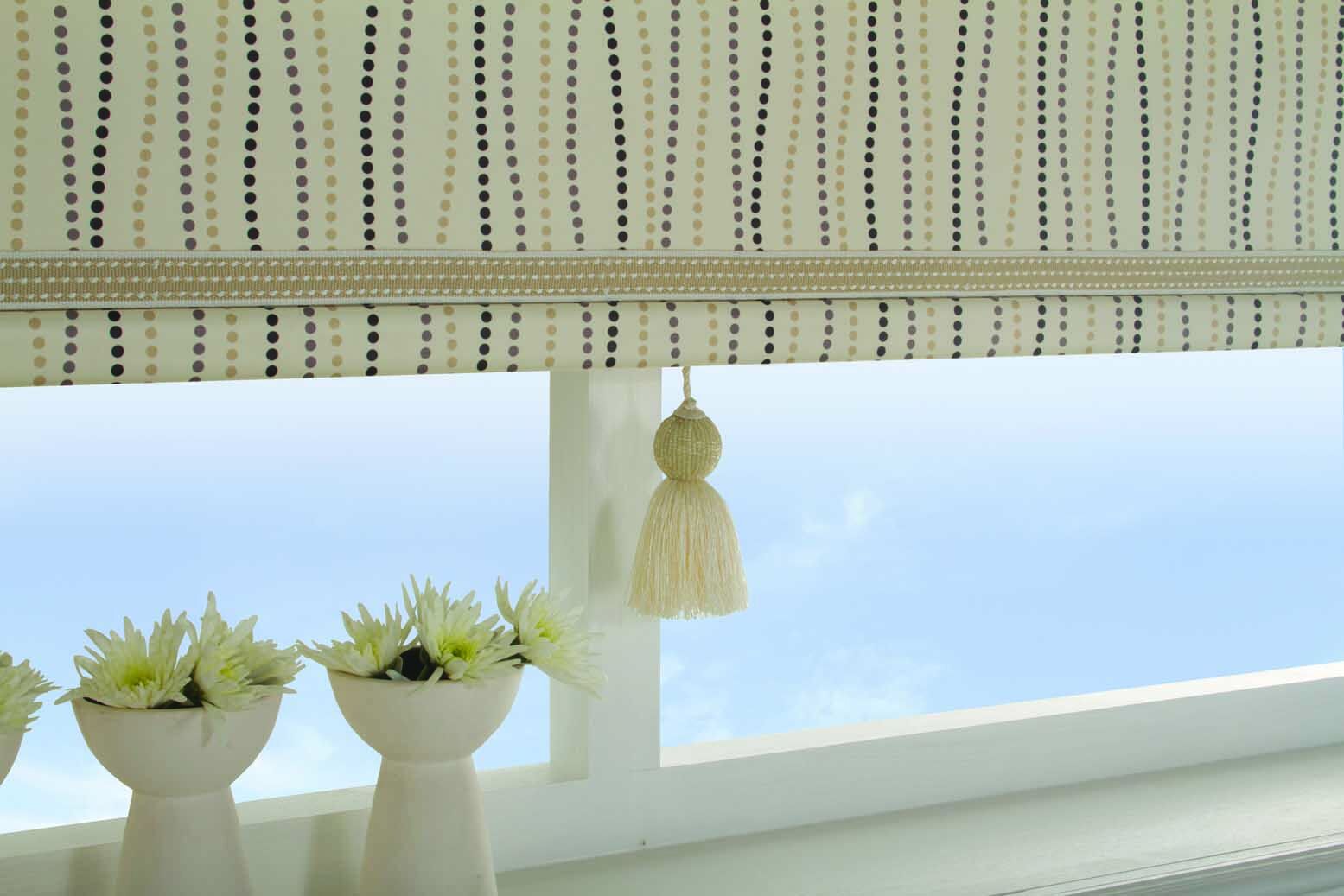
A blind that sits close to the glass, with minimal gaps at the sides, performs better than one that hangs loosely. When there is a gap, warm air can circulate around the blind and carry heat into the room. A made-to-measure blind that fits the window frame snugly reduces that bypass. For south facing windows and glass doors, where the sun hits directly for several hours, a tight fit is especially helpful. In a conservatory, where glass area is large, a combination of reflective blinds and careful positioning can keep the space usable on hot days without relying entirely on air conditioning.
Types of blinds for summer cooling
Not all blinds work equally well for reducing heat gain. The main types that help are roller blinds, roman blinds, and pleated or cellular blinds. Each has its own strengths.
- Roller blinds with a reflective backing are simple and effective. The fabric can be chosen to block most light or to let some through while still reflecting heat.
- Roman blinds made from thicker fabrics with a thermal lining add insulation as well as reflection. The folds create an extra air gap that slows heat transfer.
- Cellular or honeycomb blinds trap air in pockets, which provides a layer of insulation. They work well on windows that get direct sun for long periods.
For rooms where keeping the heat out is the main goal, blinds for brighter warmer rooms can still look light and airy if the fabric is chosen carefully. That balance is what many people look for when they choose blinds for brighter warmer rooms that do not feel heavy or dark.
What about the colour?
Colour influences how much heat a blind absorbs versus reflects. A white or pale coloured blind reflects more sunlight than a dark one. Dark blinds absorb the energy and radiate some of it into the room. So for maximum cooling, lighter colours on the window-facing side are better. But if the blind has a reflective backing, the colour on the room side matters less for heat control. That means you can choose a colour that suits the decor without sacrificing performance.
Blinds versus other window coverings
Curtains can also reduce heat gain, especially if they have a thermal lining. But curtains tend to be thicker and block more light when drawn. Blinds offer more control: you can tilt slats or adjust the fabric to let in some daylight while still blocking direct sun. For south facing windows, that flexibility is useful because the sun angle changes throughout the day. A blind can be lowered partially to shade the lower part of the window while still allowing light near the top. That is harder to do with a curtain.

Practical considerations
For anyone thinking about thermal blinds, a few practical points are worth knowing. First, the effect is most noticeable on windows that get direct sun. On shaded windows, the difference is smaller. Second, blinds work best when combined with other sensible measures: closing windows during the hottest part of the day, using fans to move air, and opening windows at night to let cool air in. No single product can do everything. Third, the way the blind is fitted matters. A blind that is fixed to the ceiling or the frame, with side channels to guide the fabric, can create a near-sealed air gap. That is more effective than a standard free-hanging blind.
For rooms that already feel bright and warm, choosing blinds for brighter warmer rooms can help maintain that light feel while cutting down the heat. The phrase blinds for brighter warmer rooms describes exactly that situation: a space that gets plenty of sun and where you want to keep the brightness but not the heat. A well-chosen blind can give you both.
Does it work in a conservatory?
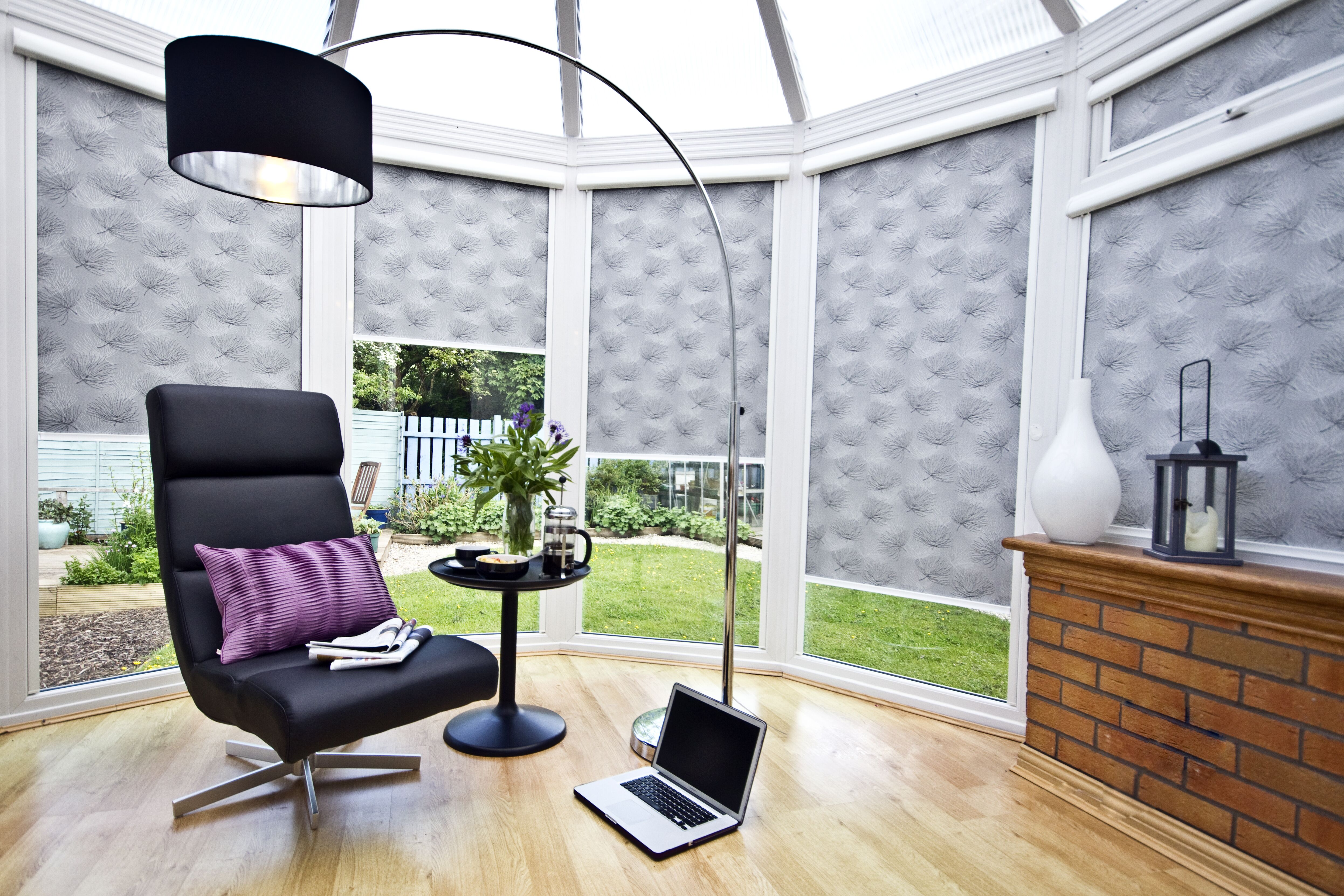
Conservatories are the toughest test for any window covering. The large glass area and the roof panels mean a lot of sun exposure. In summer, the temperature inside can rise rapidly. Thermal blinds designed for conservatories often have a reflective layer on the roof blinds as well as on the vertical blinds. The roof is where most of the heat comes from, so covering that area makes a big difference. Some conservatory blinds are fitted with side tracks to keep the fabric close to the glass, which improves performance. If a conservatory is used as a living space, thermal blinds can make it comfortable enough to use without air conditioning on all but the hottest days.
Are there trade-offs?
There are always trade-offs. Blinds that block the most heat also block the most light. If you want a very bright room, you might choose a fabric that lets some light through while still reflecting heat. That will not cool the room as much as a full blackout blind, but it may be more pleasant to live in. Similarly, a blind with a reflective backing can look shiny from outside. That may matter if the outside appearance of the house is important. Most modern thermal fabrics are designed to minimise that issue, so the backing is visible only from certain angles.
Another trade-off is the cost. Made-to-measure blinds with thermal linings or reflective coatings cost more than off-the-shelf options. But they fit properly, which makes them more effective. For a room that gets a lot of sun, the investment is worth considering.
What to look for when buying
If you are looking for blinds to help keep a room cooler, pay attention to the fabric specifications. Many suppliers list a solar reflectance value or a shading coefficient. Higher reflectance means more heat is bounced away. A thermal lining adds insulation value, measured as an R-value or U-value improvement. The fit is equally important. A blind that does not fit the window leaves gaps that let heat in. That is why made-to-measure is often recommended for rooms where heat control matters.
For south facing windows and glass doors, a blind with a reflective backing and a light colour is a solid choice. For a conservatory, cellular or pleated blinds with a reflective layer on the roof section can help significantly. And for rooms where you want to keep the space light and airy, look for fabrics that balance light transmission with heat reflection. The right blind can make a room feel noticeably cooler without turning it into a dark cave.